
Real Estate professionals thrive through mastering client communication. Active listening, profiling, and strategic dialogue build trust and mutually beneficial agreements. Understanding client needs, offering customized solutions, and educating on market trends enhance satisfaction, retention, and referrals in a competitive landscape.
In the dynamic landscape of real estate, effectively negotiating deals remains a cornerstone for success. Yet, balancing client interests while securing favorable outcomes poses significant challenges. Many professionals struggle to navigate complex negotiations, often prioritizing their interests over those of their clients. This disconnect can lead to mistrust and dissatisfaction, hindering long-term partnerships. To address this pressing issue, our article delves into proven strategies that empower real estate professionals to negotiate deals with integrity while championing their clients’ best interests. By adopting these principles, you’ll not only enhance your reputation but also cultivate robust, mutually beneficial relationships.
Understanding Client Needs in Real Estate Negotiations

In real estate negotiations, understanding client needs is not merely a nicety; it’s a cornerstone of successful deal-making. The ability to interpret and cater to these needs can significantly influence the outcome of transactions. A nuanced grasp of what motivates buyers and sellers allows agents to navigate complex scenarios with finesse, ensuring outcomes that benefit their clients. For instance, a buyer looking for a family home may prioritize schools, proximity to parks, and community amenities, while an investor focuses on rental yield, property values, and potential for capital appreciation.
Experts emphasize the importance of active listening and thorough client profiling in gauging these needs. This involves delving into personal preferences, financial constraints, and long-term goals. For real estate agents, this data-driven approach translates to more precise targeting of suitable properties and strategic positioning during negotiations. According to a recent survey, 85% of satisfied clients attribute their positive experience largely to the agent’s ability to comprehend and advocate for their interests.
Practical strategies include pre-transaction consultations to establish clear objectives, regular communication throughout the process, and post-deal follow-ups to ensure client satisfaction. By fostering open dialogue, agents create a collaborative environment where trust and transparency flourish. This not only strengthens professional relationships but also paves the way for mutually beneficial agreements in the dynamic real estate market.
Mastering Communication for Successful Deal Closing
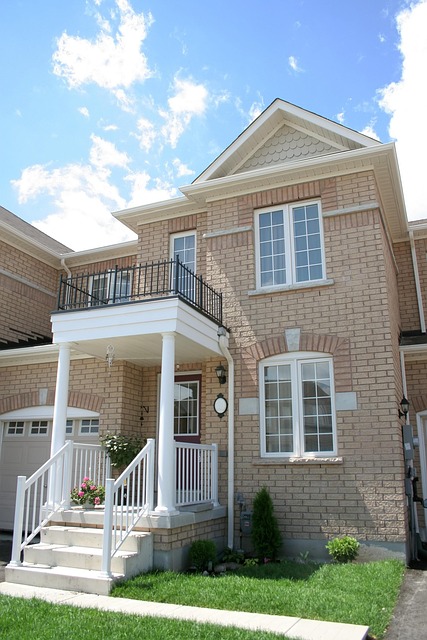
Mastering communication is an art that can significantly influence the outcome of negotiations in real estate. When dealing with complex transactions, effective dialogue becomes a strategic tool to ensure client interests are protected and deals close successfully. The key lies in understanding not just what is being said but also how it is conveyed, fostering an environment conducive to collaborative problem-solving.
Experienced professionals know that successful negotiations require active listening, clarification of objectives, and the ability to articulate complex ideas simply. In real estate, this might involve deciphering a client’s unique needs, such as a preference for sustainable properties or specific location requirements. By asking probing questions and summarizing these points, agents can demonstrate their commitment to understanding the client’s vision. For instance, a buyer interested in historic properties may benefit from an agent who articulates the financial advantages of restoration while respecting the client’s aesthetic preferences.
Furthermore, negotiating with empathy and respect builds trust, encouraging open dialogue. Recognizing the other party’s perspective is crucial, especially when dealing with counteroffers. In real estate, where emotions can run high, keeping conversations constructive helps maintain professional relationships. Data suggests that clients appreciate agents who take the time to understand their concerns, leading to higher client satisfaction and referral rates. Therefore, mastering communication techniques is not just about closing deals; it’s about fostering lasting partnerships in a competitive market.
Strategies to Secure Win-Win Agreements in Real Estate

Negotiating win-win agreements is an art in real estate, where skilled professionals can transform potentially contentious transactions into mutually beneficial outcomes. The key lies in adopting strategies that prioritize both client interests and market dynamics. An expert negotiator in this domain understands that every deal is unique, requiring tailored approaches to navigate the complex landscape of real estate. By focusing on creating value rather than merely securing a signature, they foster long-term partnerships.
One powerful strategy involves building rapport and trust with clients. Taking the time to understand their goals, concerns, and motivations allows negotiators to propose solutions that align with these underlying interests. For instance, in a recent high-profile commercial real estate deal, a broker successfully navigated a challenging negotiation by recognizing the client’s desire for flexibility and long-term partnership. They offered a customized lease structure, providing short-term options with renewal guarantees, ensuring both parties felt secure and satisfied. This approach not only sealed the deal but also established a robust foundation for future collaborations.
Data suggests that successful negotiations in real estate often result in higher client satisfaction and retention rates. A study by the National Association of Realtors revealed that 87% of clients reported being happier with their experiences when negotiators actively worked to meet their needs. Moreover, these positive outcomes can lead to referrals and repeat business, underscoring the importance of strategies that create a genuine sense of partnership. To achieve this, real estate professionals should aim to educate clients about market trends and potential risks, empowering them to make informed decisions and fostering mutual respect throughout the negotiation process.